


If you are preparing to sell a home in Oxford, Connecticut, there is an important question to answer early: does the property have a private well, a septic system, or both? These systems can be easy to overlook because much of the equipment is out of sight. Yet they may become a major part of a buyer's questions, inspections, and planning.
The good news is that you do not need to become a water-quality or septic expert to sell successfully. You do need accurate information, organized records, and a sensible plan. Here is how I recommend getting started in Oxford, Seymour, Southbury, Sandy Hook, Shelton, and nearby communities.
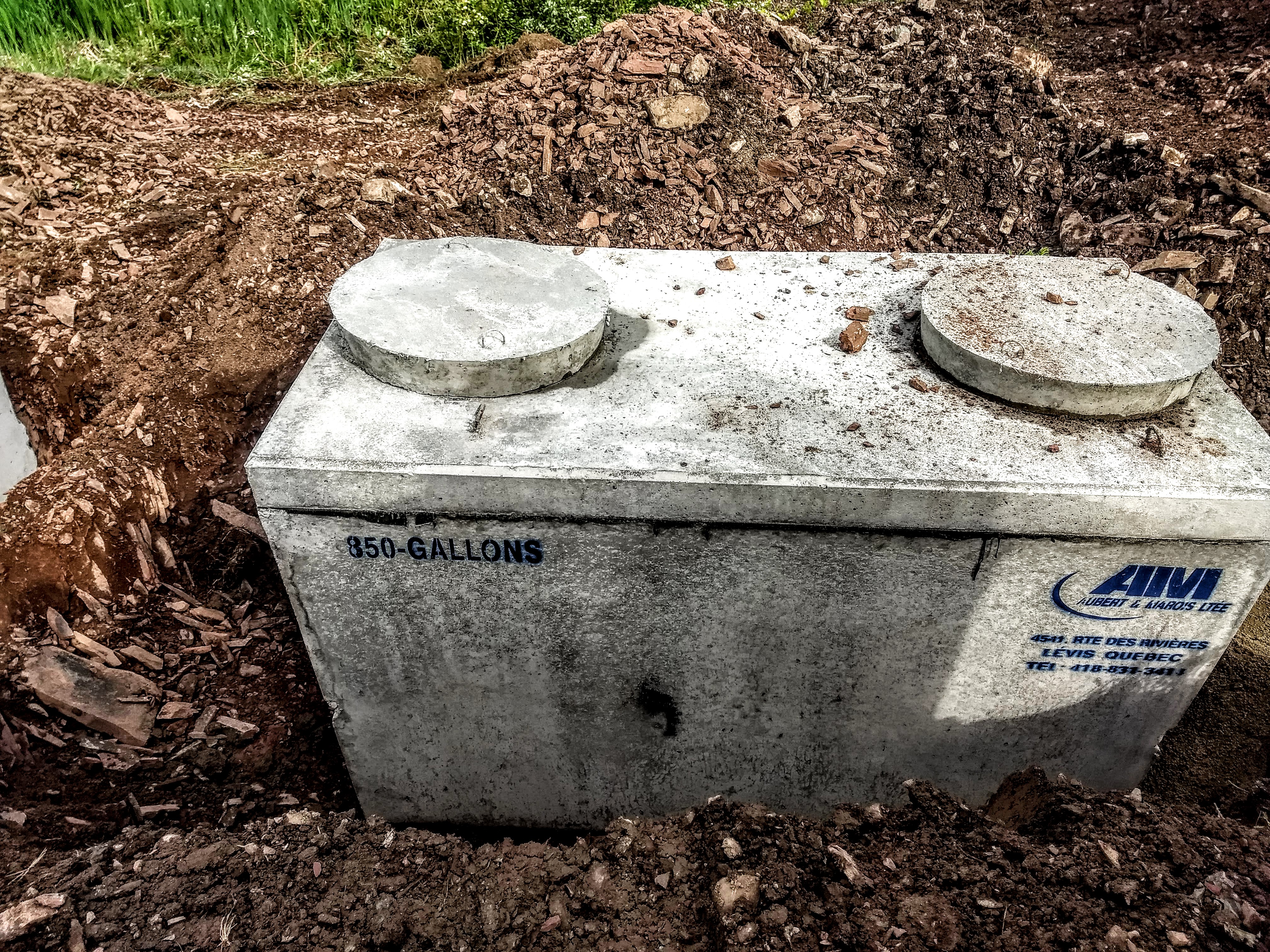

1. Confirm exactly what serves the property
First, verify the home's actual water and wastewater arrangements. Do not assume that every home on the same street uses the same systems. Some properties have public water, some have private wells, and wastewater service can differ even within a neighborhood.
Look for old closing documents, well-drilling records, septic permits, site plans, and service invoices. If you cannot find them, ask the appropriate local health department or district what records may be available. Make note of the well's location, water-treatment equipment, septic tank access, and approximate drainfield location if known. Avoid guessing about system capacity or age.
2. Gather well-water testing and service records
Connecticut's Department of Public Health explains that private well owners are responsible for testing and maintaining their drinking-water supply. If you have recent laboratory results, keep the full reports rather than simply saying the water was tested. Also gather receipts for filter replacements, treatment equipment, pump service, and any corrective work.
If the well has not been tested recently, speak with a qualified testing laboratory and your local health authority about an appropriate testing plan. The right panel can depend on local conditions, the well's history, and the buyer's financing requirements. Testing early may give you more time to understand and address an unexpected result before negotiations become stressful.
There is an important legal distinction: Connecticut does not generally require testing an existing private well solely because a home is being sold, but state law does address notice and educational materials about private well testing in a property transfer. The exact steps and any lender requirements should be reviewed with your Realtor and Connecticut closing attorney. See Connecticut General Statutes, Section 19a-37 and the DPH Private Well Program.
3. Put your septic maintenance history in one folder
Buyers often ask when the septic tank was last pumped and whether the system has been inspected or repaired. Locate invoices, inspection reports, as-built drawings, permits, and any documentation of past work. If you have owned the property for many years, this may mean checking paper files or contacting a previous service provider.
The Connecticut Department of Public Health recommends keeping accurate records of septic system location and cleaning so the information can be passed to the next owner. Its guidance also identifies a three-to-five-year interval as one consideration for tank pump-outs, although the appropriate timing depends on the system and its use. Review the state's operation and maintenance guidance rather than relying on a one-size-fits-all rule.
4. Watch for warning signs, and get professional advice
Slow drains, recurring backups, sewage odors, unexplained wet areas, or unusually lush grass over a drainfield can signal a problem. None of these signs alone establishes a diagnosis. If you notice them, contact a qualified septic professional promptly instead of attempting a do-it-yourself fix or concealing the condition.
The U.S. Environmental Protection Agency recommends routine septic inspections, efficient water use, proper waste disposal, and protection of the drainfield from vehicle traffic and other damage. These are good ownership practices regardless of whether you plan to list soon.
If a professional recommends repairs, request a written explanation and estimate. Some work may involve local health approval or permitting. Understanding the scope before listing can help you decide whether to complete the work or discuss another approach with your agent and attorney.
5. Protect the systems while preparing your home
Getting a property ready for photography and showings often means landscaping, moving vehicles, and cleaning. Make sure contractors know where the septic tank and drainfield are located. Do not park heavy equipment over the drainfield, direct stormwater toward it, or plant trees where roots could cause trouble.
Inside the house, repair dripping faucets and avoid overloading the septic system with several consecutive large laundry loads. If you have a water-treatment system, keep its service schedule current. These simple habits help maintain the property while it is on the market and demonstrate responsible care.
6. Prepare for inspection questions without promising outcomes
A buyer may request well-water testing, a septic inspection, or both. The scope depends on the purchase contract, the buyer's concerns, and financing. A routine tank pumping is not the same thing as a comprehensive septic evaluation, so clarify what each service actually includes.
Be ready to share what you know, provide available documents, and answer questions accurately. Avoid statements such as 'the septic will definitely pass' or 'the water is perfect' unless supported by appropriate current evidence. If an inspection identifies an issue, your Realtor can help you evaluate the buyer's request and the options for negotiating a resolution.
7. Build the findings into your pricing and timing strategy
The age and documented condition of well and septic components can affect how buyers evaluate a property, but there is no universal dollar adjustment. Pricing should reflect the whole home, including location, condition, comparable sales, and any known repair needs. An informed strategy is more useful than assuming every older system is a problem or every recently pumped tank is worry-free.
For sellers who are downsizing after decades in the same Oxford home, I recommend starting this paperwork early, before the moving boxes take over. Finding records now can prevent a scramble after an offer arrives. It also leaves time to speak with qualified professionals if questions come up.
A little preparation can make a big difference
Selling a Connecticut home with a well or septic system does not have to feel complicated. Confirm the systems, collect records, maintain them responsibly, and get expert advice where needed. Your goal is to give buyers reliable information while protecting your own interests through the sale.
I have helped Connecticut homeowners navigate real estate decisions for more than 25 years, and I have lived in Oxford for more than 50 years. If you are thinking about selling in Oxford, Seymour, Southbury, Sandy Hook, Shelton, or a surrounding town, I would be happy to help you make a plan.
Contact Susan Hotchkiss for a free, no-obligation consultation and home market analysis. We can discuss your property's features, preparation priorities, pricing, and next steps, whether you are ready to list soon or just exploring your options.
Susan Hotchkiss, Realtor
Realty ONE Group Connect
Call or text: 203-314-7874
SusanHotchkissHomes.com
CT Res 0759460