


When you are getting ready to sell your home, the first showing often happens online. Before a buyer walks through the front door, they may study the photographs, scan the floor plan, and decide whether the property belongs on their tour. That makes the days before listing photography especially important.
The good news is that preparing for photographs does not mean replacing everything you own or making your home look like a model house. It means helping buyers see the rooms, understand how the spaces connect, and appreciate the features that make your property appealing. Here is a practical room-by-room plan for homeowners in Oxford, Seymour, Southbury, Shelton, Sandy Hook, and nearby communities.

Why preparation matters before the photographer arrives
According to the National Association of Realtors' 2025 Profile of Home Staging, 83% of buyers' agents said staging made it easier for buyers to visualize a property as a future home. That does not mean every seller needs professional staging. It does reinforce the value of presenting each room clearly, with fewer distractions.
Think of the photographs as an invitation. They should be accurate, bright, and welcoming, not a promise of a home that looks different in person. Your Realtor can help identify which areas deserve the most attention before the photography appointment.
Start outside: the driveway, entry, and yard
In Oxford, a property's setting can be a meaningful part of its appeal. Some homes offer wooded privacy, generous yards, patios, or scenic views. Begin by clearing leaves from walkways, trimming overgrown plants, and removing empty pots, unused hoses, and outdoor clutter. Sweep the front steps and make sure the house number is visible.
Move cars away from the driveway and garage doors for exterior photographs when practical. Straighten porch furniture and clean the front door glass. In autumn, a few seasonal plants can look inviting, but keep decorations simple so the house remains the focus. Never hide a maintenance issue merely to improve a photograph.
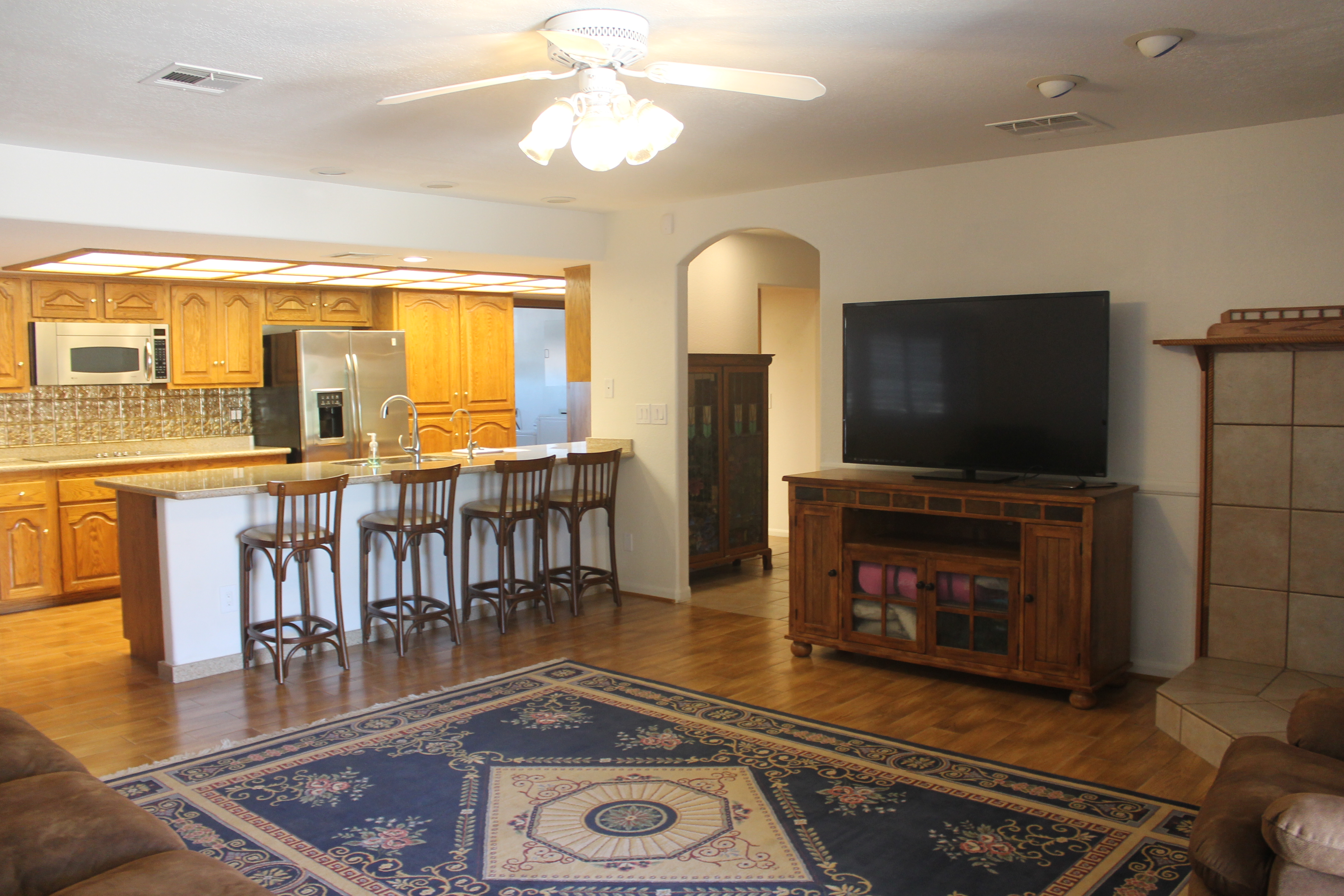
Living room: create space to see the layout
The living room often helps buyers understand the scale and character of the home. Remove extra chairs or small tables if they interrupt walking paths. Put away television remotes, loose papers, pet toys, and personal collections. Arrange pillows neatly, and use a simple centerpiece rather than several decorative objects.
Open window coverings to show natural light and views, while checking for glare. If your home has a fireplace, built-in shelving, or attractive windows, avoid blocking those features. The goal is not to erase personality; it is to give the camera clear sight lines so the room's proportions make sense.
Kitchen: let counters and storage take center stage
Kitchens can feel smaller in photographs when countertops are crowded. Put away dish racks, cleaning bottles, mail, refrigerator magnets, and most small appliances. Leave out only one or two attractive, practical accents, such as a bowl of fruit or a tidy coffee station.
Wipe cabinet fronts, clean the backsplash, and remove items from the top of the refrigerator. Empty the sink, replace worn dish towels, and make sure all visible bulbs work. If you have a breakfast area or island seating, position chairs evenly. Buyers should be able to see usable work surfaces, not your daily routine.
Bedrooms: emphasize comfort and usable space
A made bed, clear nightstands, and balanced lighting go a long way. Store laundry baskets, exercise equipment, excess furniture, and items under the bed that can be seen from the doorway. If the room serves two purposes, such as a bedroom and office, decide which use should be visually emphasized.
For longtime homeowners who are downsizing, this is a good opportunity to start sorting belongings without feeling pressured to empty every closet. Focus first on the surfaces and pathways visible in photos. Closets should still be orderly for in-person showings, but you do not need to complete the entire move before the photographer arrives.
Bathrooms: aim for clean, simple, and bright
Bathrooms photograph best when counters are mostly clear. Remove toothbrushes, medication, razors, bath mats, trash cans, and personal toiletries. Clean mirrors, fixtures, shower glass, and grout where possible. Close toilet lids and straighten towels.
If a bathroom needs repair, address dripping faucets, damaged caulk, or obvious maintenance concerns rather than trying to disguise them with accessories. Fresh towels and a single small decorative item are usually enough. Check that the photographer can see the vanity, shower or tub, and room layout without obstruction.
Finished lower levels, mudrooms, and bonus rooms
Many Connecticut homes include spaces that do not fit neatly into a standard living-room or bedroom category. A finished lower level might be used for recreation, a home office, or hobbies. A mudroom may be valuable for boots and coats during New England winters. These rooms deserve thoughtful presentation too.
Choose a clear purpose for each space. Organize sports gear, seasonal decorations, and storage bins so buyers can see the floor area. Do not describe a room as a legal bedroom or finished living area unless its classification and representation are supported. Your Realtor should ensure listing details are accurate and consistent with the property's documentation.
The day before: a simple photography checklist
Walk through the house as if you are seeing it for the first time. Check for burned-out bulbs, fingerprints on glass, crooked artwork, dangling cords, and distracting items near doorways. Hide pet bowls and litter boxes for the appointment if it is safe and practical, and plan for pets to be elsewhere while photographs are taken.
Confirm access with the photographer and ask whether window coverings, interior lights, or outdoor furniture should be adjusted. If weather prevents good exterior images, discuss a return visit rather than accepting photographs that fail to show the property well. Keep the house as close as possible to its photographed condition for the first showings.
What not to do: spend without a strategy
Do not assume that expensive new furniture, a full renovation, or professional staging of every room is necessary. The right preparation depends on your home's condition, likely buyers, budget, and timeline. Sometimes cleaning, decluttering, furniture placement, and minor repairs provide the most useful improvements.
Also avoid heavy photo editing that changes permanent features, removes defects, or creates a misleading impression. Buyers need to recognize the home when they visit. Ask your Realtor to coordinate truthful photographs and accurate descriptions that highlight genuine strengths.
Ready to take the next step?
Preparing a home for sale can feel overwhelming, especially if you have lived there for twenty years or more. You do not have to make every decision alone. I help sellers prioritize what matters, plan the marketing, and prepare their properties for the market without unnecessary work.
If you are considering selling in Oxford, Seymour, Southbury, Sandy Hook, Shelton, or a surrounding Connecticut town, I would welcome a conversation about your goals and timing. Contact me for a free, no-obligation consultation and a thoughtful plan tailored to your home.
Susan Hotchkiss, Realtor
Realty ONE Group Connect
CT Res 0759460
Call or text: 203-314-7874
www.SusanHotchkissHomes.com